


Providing year-round comfort for your family, your home’s heating, ventilation, and air conditioning (HVAC) system plays a significant role in maintaining a pleasant and healthy living environment. As a responsible homeowner in the Durham Region, it’s important to take the time to find a reliable and efficient HVAC system that will meet your needs and fit your budget. With various types and brands available, choosing the right HVAC system can be a daunting and complex task.
Join us as we dive into the process of finding the ideal HVAC system tailored to your home’s unique requirements and preferences, and learn some expert tips for making the best decision. Our team of skilled technicians is always available to assist you with personalized guidance, professional recommendations, and reliable installation services to guarantee your satisfaction. Rest easy knowing that we’ll help you select an HVAC system that ensures your family’s comfort and well-being in every season.
Important Factors to Consider When Choosing an HVAC System

In order to find the right HVAC system for your home, consider the following key factors:
1. Size: An appropriately sized system is essential for optimal performance and energy efficiency. Too large a system will cycle on and off frequently, while an undersized system will struggle to maintain desired temperatures.
2. Efficiency: Energy-efficient HVAC systems can reduce your energy consumption and lower your utility bills. Look for systems with a high SEER (Seasonal Energy Efficiency Ratio) rating for air conditioners, and AFUE (Annual Fuel Utilization Efficiency) rating for heating systems.
3. Type: Centralized systems, ductless mini-splits, heat pumps, and hybrid systems are all options for home HVAC systems. Each type has its own set of benefits and limitations, so consider your specific needs and preferences before making a decision.
4. Climate & Location: The climate in your region and the location of your home can influence your choice of an HVAC system, as certain types perform better in specific climates.
Set a Realistic Budget and Weigh Operating Costs
The sticker price of a system is only part of the picture. A cheaper unit that runs inefficiently can cost more over a decade than a higher-priced, high-efficiency model that trims your monthly bills. When you budget, separate the upfront cost — equipment, installation labour, and any ductwork or electrical changes — from the operating cost you will live with every month for the next fifteen years.
Fuel type is the other big lever. Most Durham Region homes are heated with natural gas, which is typically inexpensive per unit of heat, so a high-efficiency gas furnace paired with a central air conditioner remains a practical, affordable choice. Cold-climate electric heat pumps have improved dramatically and can heat efficiently well below freezing, and many homeowners pair one with a gas furnace in a hybrid setup so the system automatically switches to whichever fuel is cheaper as the temperature drops. Ontario and federal efficiency programs periodically offer rebates on high-efficiency furnaces, heat pumps, and smart thermostats; because those programs change, confirm what is currently available before you sign a contract rather than assuming a figure you read online.
Explore Different HVAC System Types
It’s crucial to understand the various types of HVAC systems available:
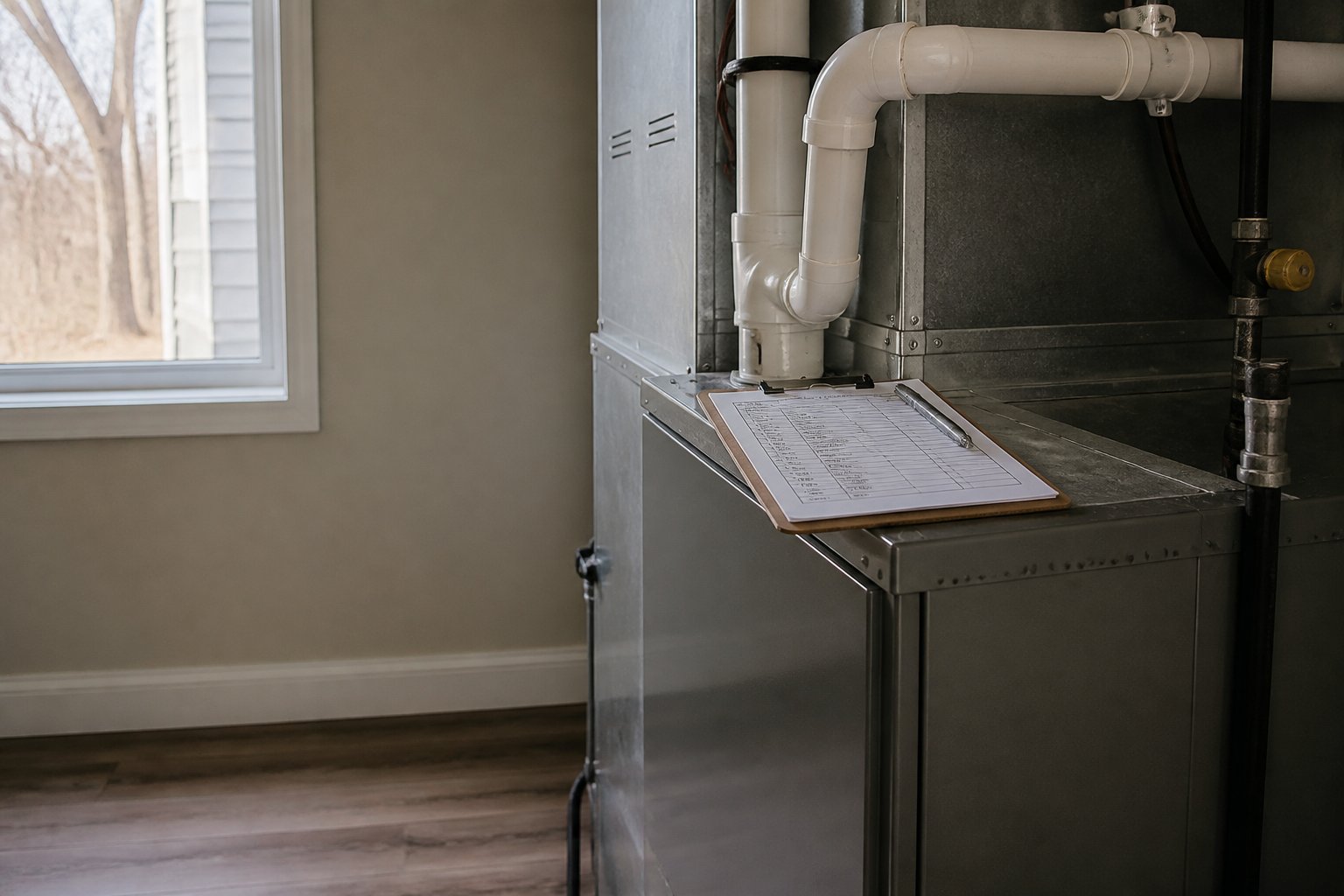
1. Centralized HVAC Systems: These systems use ductwork to distribute conditioned air throughout your home. They often include a combination of a furnace, air handler, and air conditioning unit.
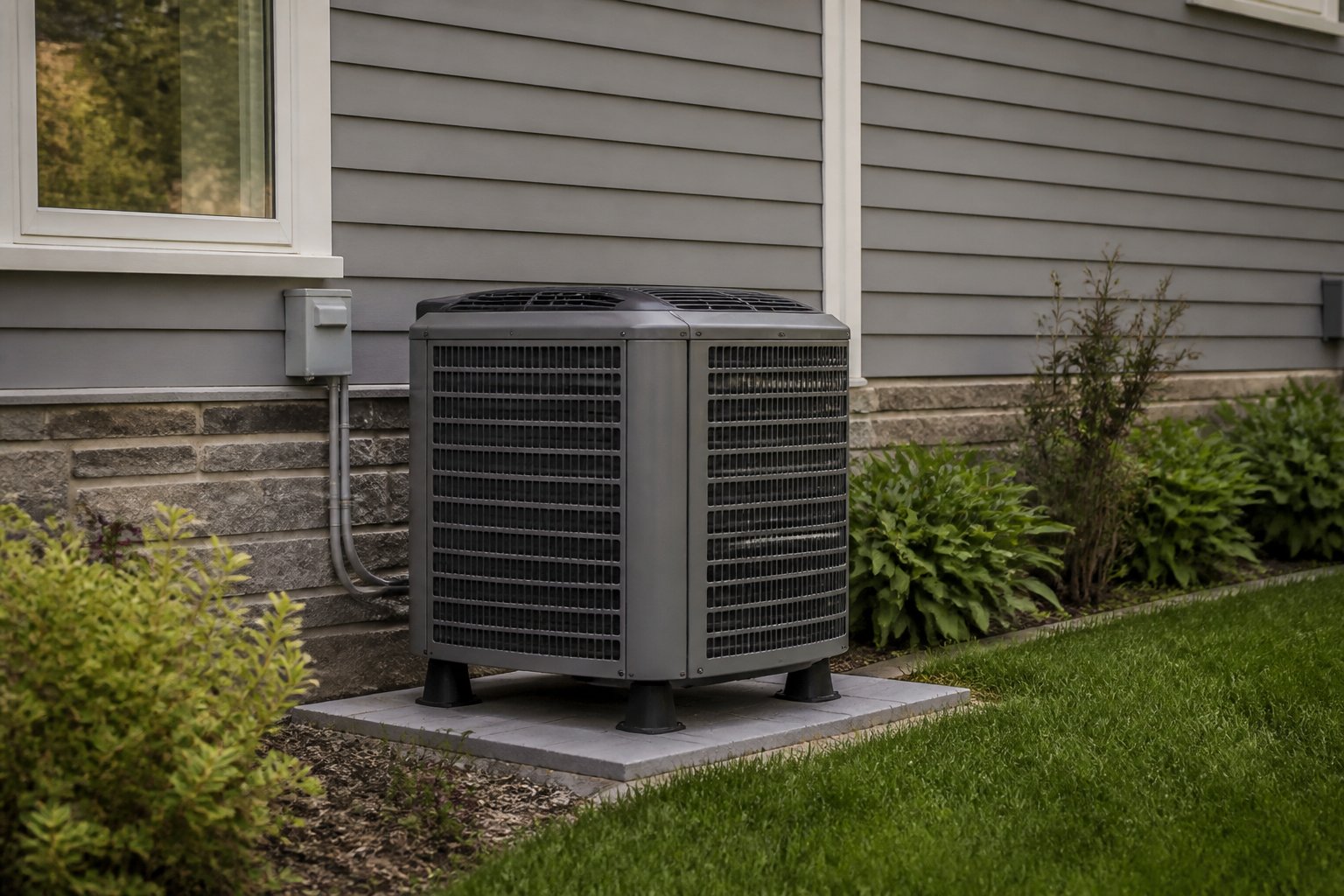
2. Ductless Mini-Split Systems: These systems consist of individual air handling units connected to an outdoor compressor/condenser. They offer a great degree of flexibility, allowing you to heat or cool specific areas on an as-needed basis.
3. Heat Pumps: Heat pumps transfer heat from the air or ground, depending on the type, to heat your home in the winter and cool it in the summer. They’re energy-efficient and eco-friendly, making them a popular choice for mild climates.
4. Hybrid Systems: These systems combine a traditional gas or oil furnace with a heat pump, offering the benefit of both heat sources. This allows for more efficient heating in moderate temperatures while providing powerful heating capabilities during colder weather.
Research the Best HVAC Brands

There are several reputable HVAC brands available that offer systems varying in quality and performance:
1. Carrier: Renowned for their innovation and high-quality, energy-efficient solutions, Carrier is a popular choice among homeowners.
2. Trane: Known for their sturdy, reliable, and efficient HVAC systems, Trane is another leading brand in the industry.
3. Lennox: Lennox offers energy-efficient, eco-friendly HVAC systems with a diverse range of options to meet various homeowner needs.
4. Goodman: Goodman provides affordable, energy-efficient HVAC systems with a strong focus on customer satisfaction and performance.
Take the time to compare different brands and read customer reviews and testimonials to make the best decision for your home.
Partner with a Trustworthy HVAC Professional
An experienced and reputable HVAC professional is essential when selecting and installing a new system, as they can offer:
1. Personalized Assessment: A trustworthy HVAC technician will evaluate your home’s specific needs and recommend the most suitable system for your requirements.
2. Proper Installation: Professional installation is crucial for the performance and longevity of your HVAC system, ensuring optimal efficiency and comfort.
3. Ongoing Maintenance: Regular maintenance is essential to keep your system running smoothly. A reliable HVAC professional can help you maintain your system, preventing costly breakdowns and prolonging its lifespan.
Insist on a Load Calculation and Compare Quotes Side by Side
Sizing should never be a guess or a simple match to your old unit, which may have been wrong to begin with. A reputable contractor performs a heat-load calculation (often called a Manual J) that accounts for your home’s square footage, insulation, window area, ceiling height, and orientation before recommending a capacity. An oversized system short-cycles, wastes energy, and leaves humidity behind in summer; an undersized one runs constantly and still struggles on the coldest January nights.
When you collect quotes, compare them on more than price. A complete, trustworthy proposal spells out the exact equipment model and efficiency rating, the full scope of work, whether permits and a Technical Standards and Safety Authority (TSSA) gas inspection are included, the labour warranty as distinct from the manufacturer’s parts warranty, and what old-equipment removal covers. Be cautious of a bid that is dramatically lower than the others — it usually signals a smaller unit, skipped permits, or a stripped-down install that costs you more later.
Experience Long-Lasting Comfort with the Right HVAC System
By taking these factors into consideration and working closely with a reputable HVAC professional, you can confidently choose the right HVAC system for your home, guaranteeing energy efficiency, optimal performance, and long-lasting comfort. Our knowledgeable and skilled team is always available to provide personalized guidance, expert recommendations, and reliable installation services tailored to your specific needs, ensuring your satisfaction and peace of mind.
Not Sure Which System Fits Your Home? Let’s Talk It Through
Choosing a furnace, heat pump, or hybrid system is a fifteen-year decision, and the right answer depends on your home, your budget, and how you actually live in it. Rather than guessing, let a Fortis Heating & Air Conditioning advisor walk through your home, run a proper load calculation, and lay out your options in plain language with no pressure to buy. Reach our Oshawa-based team at (289) 688-4822 or request a free, no-obligation consultation through our contact page, and explore our full range of HVAC services in Oshawa.
Guidance on the right system: When it’s time to choose and size a new heating or cooling system, Fortis Heating helps homeowners in Oshawa, Whitby, Ajax and Pickering, along with Bowmanville, Clarington and Cobourg.
Research Before You Buy
Choosing the right system is easier with good information. These guides can help you compare efficiency ratings and energy-saving options.
Frequently Asked Questions
How often should I service my HVAC system in Oshawa?
For dependable performance, arrange professional service twice a year: the cooling system in spring and the furnace in autumn. A licensed technician catches small issues before they grow, which typically extends equipment life by 5 to 10 years and keeps energy bills lower. Because Durham Region winters and summers push HVAC systems to their limits, staying on that seasonal schedule is well worth it.
What temperature should I set my thermostat to save energy?
Set the thermostat close to 20 to 21°C (68 to 70°F) when the home is occupied, and ease it back 2 to 3 degrees overnight or during empty stretches of the day. Because a programmable or smart thermostat can follow that pattern without you thinking about it, many households cut annual heating and cooling costs by 10 to 15 percent.
How long does an HVAC system typically last?
Furnaces generally last 15 to 20 years, air conditioners 10 to 15, and heat pumps about 12 to 15, though the equipment’s condition and quality of installation shift those numbers. The single biggest factor in getting the most years out of any of them is regular professional maintenance paired with routine filter replacement.