


The holidays are a wonderful time of year. But, sadly, they also mean that we have to deal with freezing temperatures. For many of us, this means bundling up in warm clothes and staying indoors as much as possible.
According to leaders of home heating services, central heating systems are economical. They supply warmth from a single location to many locations within the same residential or commercial building. Using a central heating system can improve the comfort of your home or office while reducing energy costs.
In a typical central setup, a single furnace or heat pump warms the air, and a network of ducts carries that heat to every room through supply registers, while cold-air returns pull cooled air back to be reheated. A thermostat ties it all together, calling for heat only when the space needs it. This is very different from relying on portable space heaters or a patchwork of baseboard units, which heat one area at a time and often leave the rest of the home cold. The three benefits below explain why, in a climate that regularly drops well below freezing, a properly designed central system is usually the most comfortable and economical way to keep a whole home warm.
1. It Provides Comfort and Convenience

Central heating systems offer several advantages over conventional home heating services. They are more efficient, provide greater comfort and convenience, and can be controlled remotely.
They are typically more efficient than their conventional counterparts because they distribute heat evenly throughout the home. It results in less heat loss and lower energy bills. In addition, the former offers greater comfort and convenience because they can be controlled remotely. It means you can adjust the temperature from anywhere in the house, making it more comfortable for everyone.
Finally, central heating systems can be controlled remotely, which means you can turn them on and off from anywhere in the world. One of the brilliant things about smart thermostats is that they can be controlled remotely, so you can always ensure your home is at the perfect temperature no matter where you are. You can also set specific temperatures for each room to keep your living room cozy while saving energy in your bedroom.
Comfort with a central system is about consistency as much as warmth. Because conditioned air is delivered to each room and returned to be reheated, you avoid the hot-and-cold pockets that space heaters create. Homes with a multi-zone setup take this further, dividing the house into areas with their own thermostats so a chilly upstairs and a warm main floor can be balanced independently. Pairing the system with a programmable or smart thermostat lets you schedule a lower overnight temperature and a warm wake-up, which trims energy use during the hours you do not need full heat. Many central systems also share their ductwork with air conditioning, so the same infrastructure that keeps you warm through a deep winter cools the home through humid summers.
2. It Is More Eco-Friendly
As the world becomes more aware of the dangers of climate change, many homeowners are looking for ways to reduce their carbon footprint. One way to do this is to upgrade to a more efficient heating and cooling system.
Today’s central HVAC systems are much more energy-efficient than older models. They use less electricity, which means they produce less carbon dioxide. A central HVAC system can reduce your carbon footprint by up to 50%.
Not only are central HVAC systems more eco-friendly, but they are also more comfortable. They evenly distribute heat (or cool air in the summer), so you will not have to worry about hot and cold spots in your home.
Talk to a qualified HVAC contractor if you consider upgrading to a central HVAC system. They can help you choose the right system for your home and install it properly.
The efficiency of a heating system is measured by its AFUE, or Annual Fuel Utilization Efficiency, which tells you how much of the fuel it burns actually becomes usable heat. Older furnaces might convert only a modest share of their fuel into warmth, while modern high-efficiency condensing furnaces reclaim heat from the exhaust and convert a much larger portion. An electric heat pump takes a different approach, moving heat rather than generating it, and can be a very efficient option for milder stretches of the heating season. Whichever route you choose, real-world efficiency depends on more than the equipment rating: right-sizing the unit for your home with a proper load calculation, and sealing and insulating the ducts so warm air actually reaches the rooms, are what turn a high-efficiency label into lower bills.
3. It Boosts Property Value

Central heating systems are one of the essential features of a home, and they can significantly impact your property value. Central heating systems can be a major selling point for a home and add significant value to your property. If you are thinking about selling your home, it is essential to consider the value of your central heating system.
Properties equipped with central HVAC systems are highly sought on the real estate market. Central HVAC systems provide several benefits that make them desirable for potential home buyers.
Buyers tend to value a home they can move into without an immediate major expense, and a recent, well-maintained heating system signals exactly that. During a sale, the furnace is one of the items a home inspector looks at closely, and a documented service history — records of annual tune-ups and any parts replaced — reassures a prospective buyer that the system has been cared for. A quiet, efficient central system that heats the whole home evenly is a far easier selling point than a patchwork of aging space heaters or an oversized furnace that short cycles. In short, the comfort you enjoy while you live there translates directly into appeal when it is time to sell.
Getting the Most from a Central Heating System
A central system delivers on its promise only when the whole home is treated as one connected setup. The first factor is correct sizing. An oversized furnace heats the air in short, frequent bursts and shuts off before the house feels evenly warm, while an undersized one runs constantly and still struggles on the coldest days; a load calculation matched to your home’s size, insulation, and window area prevents both problems. Next comes air distribution — leaky or poorly insulated ductwork can lose a meaningful amount of heat into attics and crawlspaces, so sealing and insulating ducts is one of the highest-value improvements you can make.
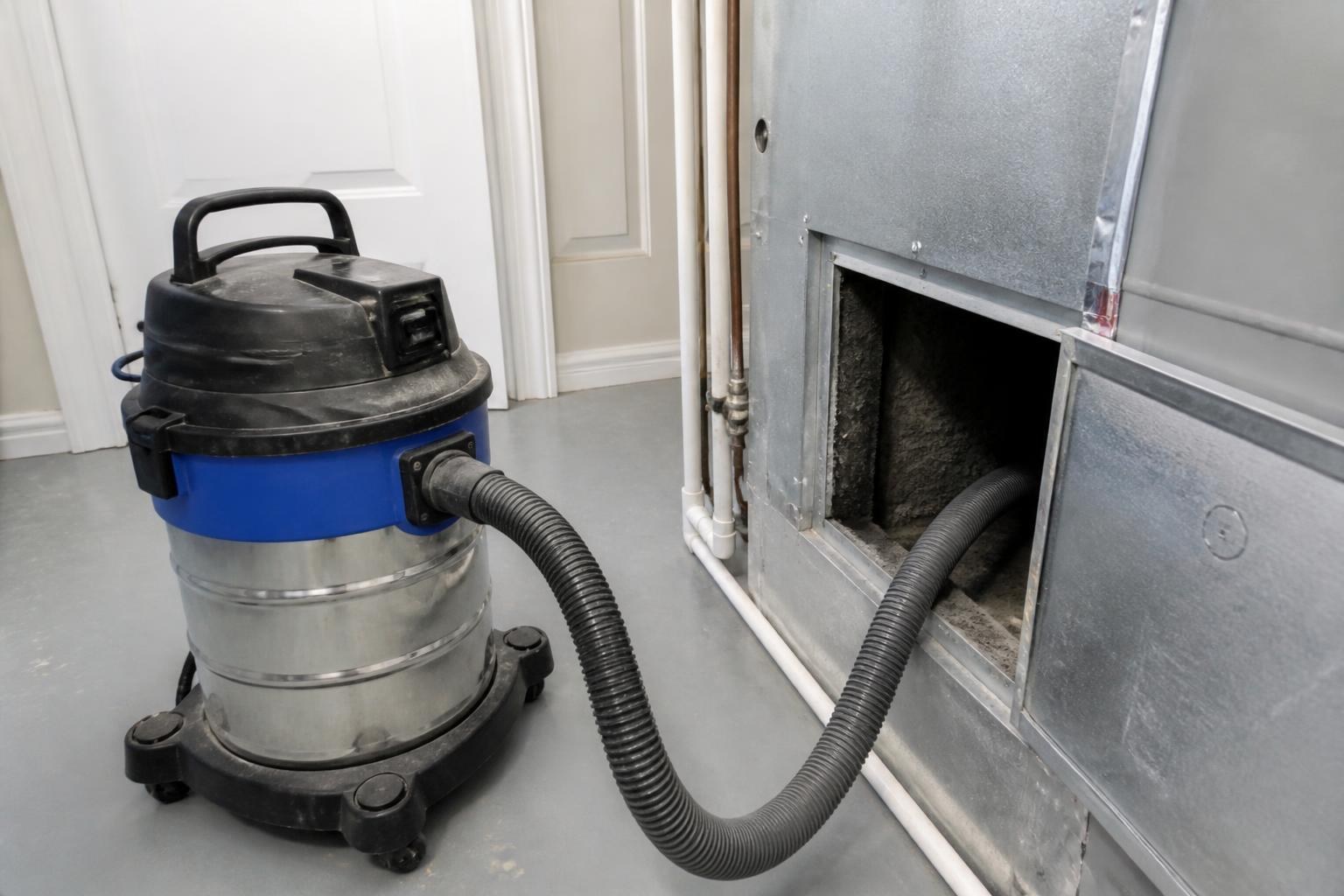
Air quality and humidity round out the picture. A good filter, chosen at an appropriate MERV rating for your equipment, keeps dust and allergens down while protecting the blower and coil. Because central heating in a cold climate can dry the indoor air, a whole-home humidifier tied into the system keeps humidity in a comfortable range, which feels warmer at a lower thermostat setting and is gentler on wood floors and furniture. Finally, an annual professional tune-up keeps combustion clean, airflow correct, and efficiency where it should be through the long heating season.
Conclusion
Central heating systems offer more benefits than conventional home heating services. They are efficient and reliable and can save you money on energy bills. They can also help to improve the indoor air quality in your home and reduce the risk of health problems related to cold temperatures.
It is still possible to make your home warm and toasty this season. You should immediately seek top-notch Oshawa home heating services, and there is no one better than Fortis Heating & Air Conditioning. We can convert your existing HVAC system to a more efficient one so that you and everyone in your home can remain cozy. Contact us now for a quote!
Across Durham Region: Fortis Heating installs and maintains central heating systems in Oshawa, Whitby, Ajax and Pickering, with whole-home comfort reaching Clarington and Cobourg.
Central Heating Resources
Want to explore central heating further? These references cover efficient home heating systems in more detail.
Frequently Asked Questions
What HVAC services does Fortis Heating offer in Oshawa?
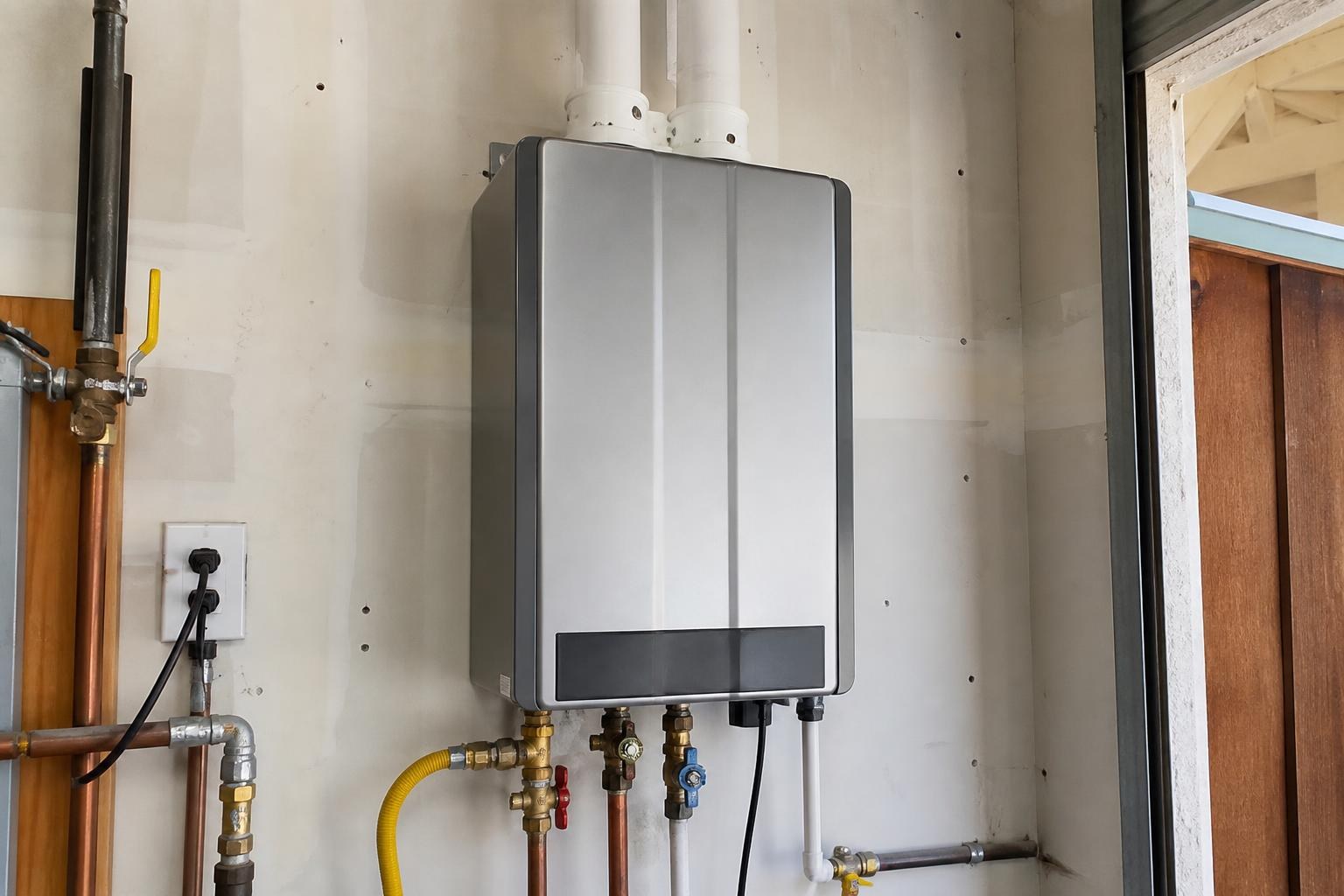
Fortis Heating & Air Conditioning covers the full range of home comfort systems — furnace and central heating installation and repair, air conditioning, heat pumps, custom ductwork, gas fireplaces, gas line work, and hot water tanks including tankless models. If you are weighing a new central heating system, we start with a free on-site consultation across Oshawa, Whitby, Ajax, Pickering, Courtice, and the wider Durham Region.
How do I know if my HVAC system needs professional service?
Watch for warning signs such as rooms that never quite reach temperature, a system that short-cycles on and off, rising energy bills, weak airflow from the registers, rattles or banging, and musty or burning smells. Equipment past the 10 to 15 year mark also deserves a closer look. Any of these is worth a call to Fortis Heating for an on-site inspection.
Are there energy rebates for HVAC upgrades in Ontario?
It depends on the program. Rebates for efficient heating and cooling equipment are offered from time to time through federal, provincial, and utility channels, and eligibility and availability shift from year to year. High-efficiency furnaces, heat pumps, and smart thermostats are the kinds of upgrades that tend to qualify when incentives exist. Rather than counting on a figure you read somewhere, ask us during your consultation — Fortis Heating keeps track of what currently applies in Durham Region.
What is heating zoning and does my home need it?
Zoning divides a home into areas that each have their own thermostat and dampers, so you can heat a chilly upper floor without overheating the main level. It is especially helpful in multi-storey homes, houses with large windows, or rooms that are rarely used. Zoning improves comfort and can reduce energy waste in spaces you are not using.
How does a central heating system improve indoor air quality?
Because a central system continually circulates air through a filter, it can capture dust, pollen, and other particles as it heats your home. Adding a higher-rated filter, keeping ducts clean, and pairing the system with a whole-home humidifier all help maintain healthier, more comfortable air, particularly during dry winter months when windows stay closed.
What AFUE rating should I look for in a new furnace?
AFUE measures how efficiently a furnace converts fuel into heat, expressed as a percentage. High-efficiency condensing furnaces reach the upper end of the scale by reclaiming heat from exhaust gases that older units send up the flue. A higher AFUE generally means lower fuel use, though the right choice also depends on your home, budget, and available rebates.