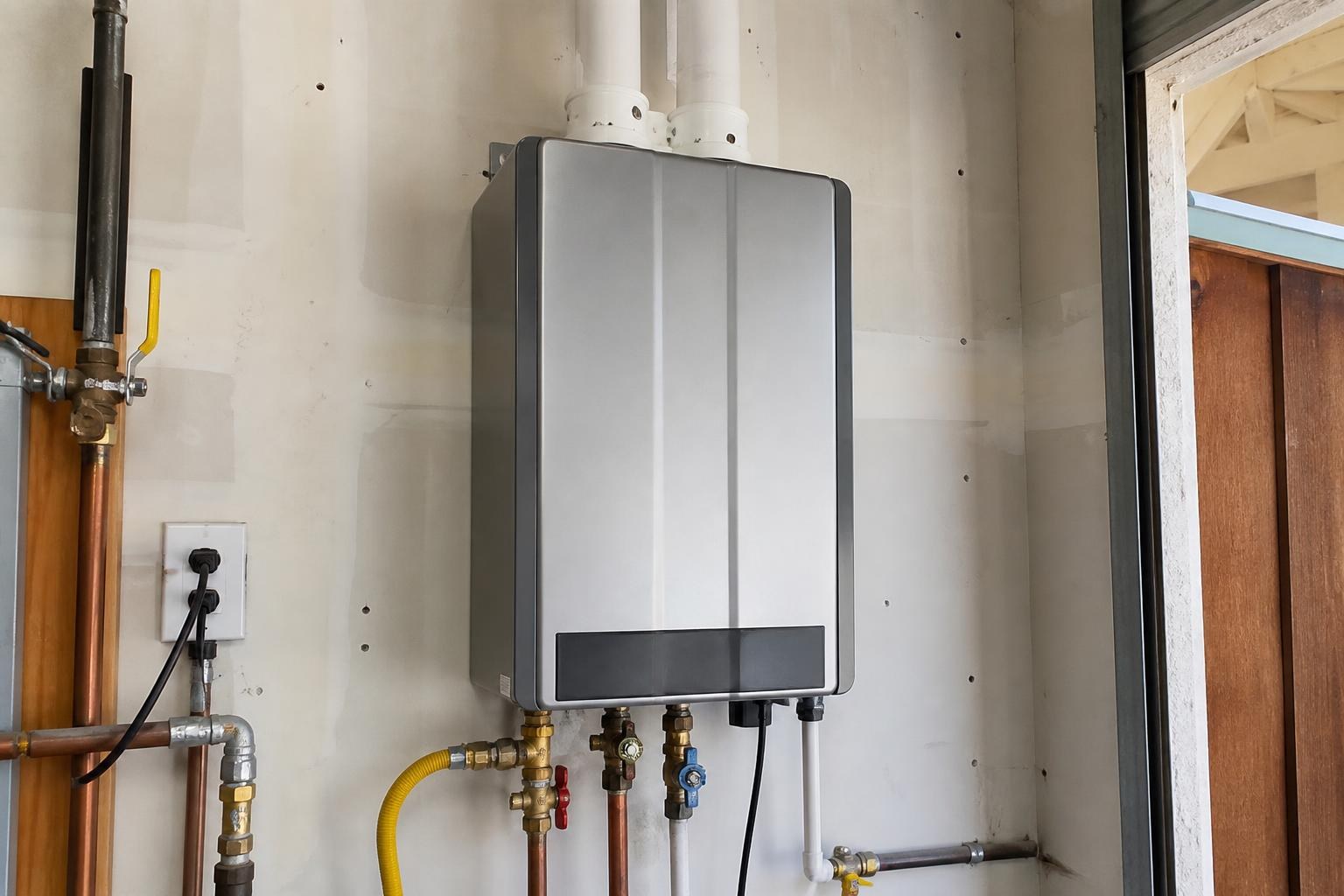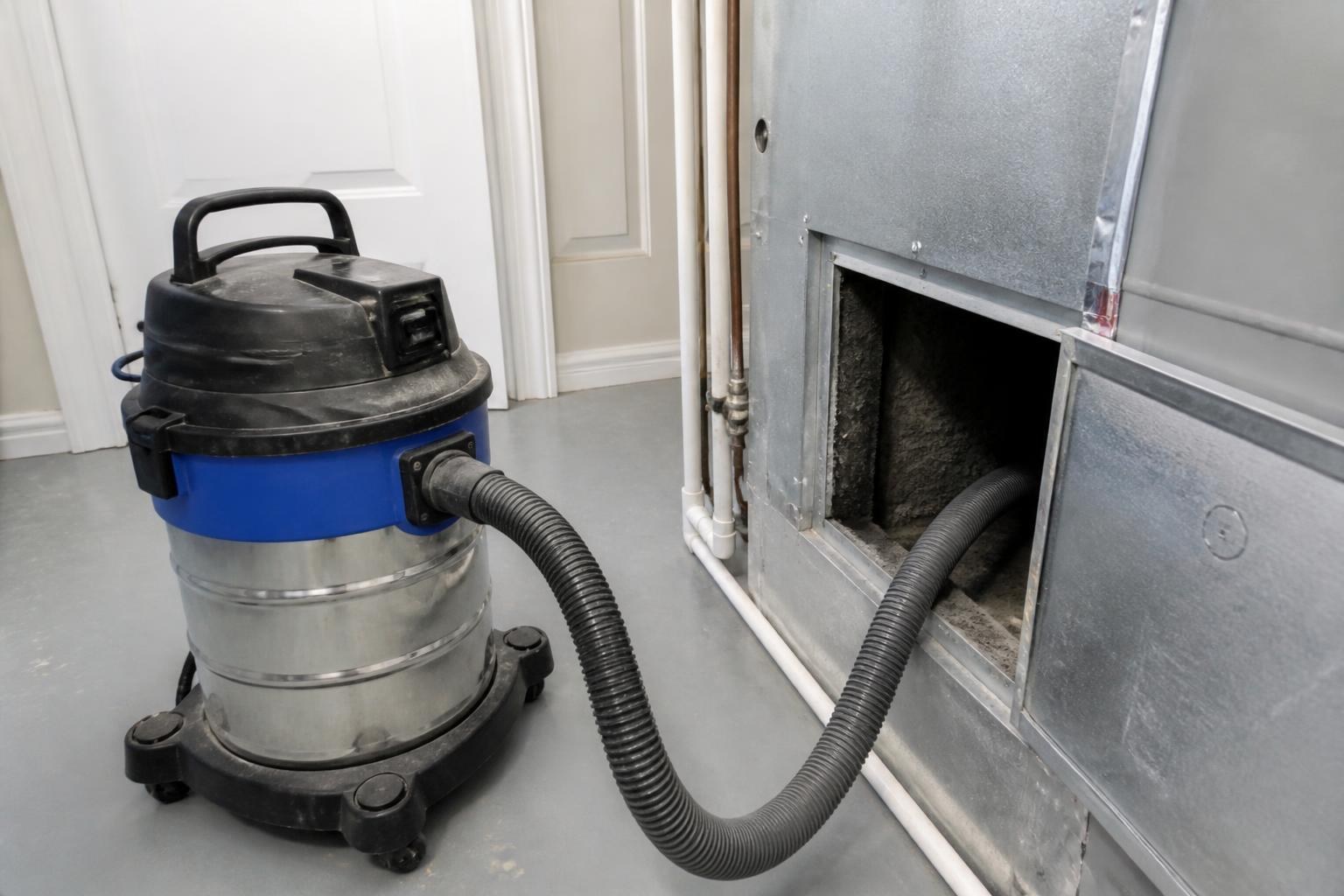



If you’ve ever wondered why your furnace is so loud, you’re not alone. Furnaces can be quite noisy, and it’s often one of the first things homeowners notice when they move into a new home.
There are a few different reasons why furnaces can be loud, and understanding the cause of the noise can help you determine whether or not it’s something you need to be concerned about.
In this blog, we’ll discuss six potential causes of a loud furnace and what you can do to fix them.
The single most useful skill here is learning to match the sound to the source. A soft ticking as the ductwork warms is harmless, while a loud bang on startup can signal a genuine safety problem. Some furnaces run louder simply by design, and others get noisy because a specific part is wearing out. As you read, pay attention not just to how loud the noise is, but to its character and when it happens in the heating cycle, because that is what tells a technician where to look.
1. The Unit Is Old

Over time, parts can begin to wear out and make noise as they operate. If your furnace is getting up there in age, it does not necessarily cause alarm, but it’s something to keep in mind. If the noise is accompanied by other problems, such as a decline in performance, then it’s time to start thinking about replacing the furnace.
Older furnaces get louder for a few predictable reasons. Blower and motor bearings dry out and begin to rumble, sheet-metal panels loosen and vibrate, and years of heat cycling can leave the cabinet less rigid than it once was. You may also notice more ticking as the metal expands and contracts. On its own, a bit more noise from an aging unit is not an emergency, but paired with weaker heat or rising bills, it is a reasonable prompt to plan for a replacement before a mid-winter failure.
2. Dirty or Clogged Air Filters
When air filters become clogged with dirt and dust, they restrict air flow. This can cause the furnace to work harder to circulate air, which can make it noisy. To fix this, simply replace your air filters with clean ones. Depending on the type of furnace you have, you may need to do this every few months
A restricted filter often produces a distinct whistling or sucking sound at the return grille as the blower strains to pull air through the blockage. Beyond the noise, that starved airflow can overheat the furnace and trip the high-limit switch, causing it to short-cycle. Replacing a dirty filter is the easiest fix in this whole list and frequently quiets the system on the spot, while also protecting the blower motor and heat exchanger from unnecessary strain.
3. Loose Parts

Over time, parts can become loose and vibrate when the furnace is running. This can create a rattling noise. To fix this, you’ll need to inspect your furnace and tighten any loose parts. This is something you may be able to do yourself, but you may need to call a professional if you’re not comfortable working with your furnace.
Rattles usually come from the easy things first: an access panel that is not fully seated, cabinet screws that have backed out, or a section of ductwork vibrating against a joist. A metallic scraping sound is more concerning, since it can mean the blower wheel is striking its housing or a setscrew has loosened on the blower shaft. Tightening an obvious panel or screw is a fair homeowner task with the power off, but anything touching the blower wheel or motor is best left to a technician.
4. Worn-Out Parts
As furnaces age, parts can wear out and break. This can cause all sorts of problems, including a loud furnace. If you think your furnace is loud because of worn-out parts, it’s best to call a professional. They can inspect your furnace and replace any worn-out parts.
The sound often reveals which worn part is to blame. A steady rumble or grinding points to failing blower or motor bearings, a high-pitched squeal on an older belt-drive furnace usually means a worn or slipping belt, and a wobble or vibration can indicate an unbalanced blower wheel with caked-on debris. Catching these early matters, because a failing bearing that seizes can burn out an otherwise healthy motor and turn a small repair into a much larger one.
5. Faulty Blower Motor
The blower motor is responsible for circulating air through the furnace and into your home. If the motor is going bad, it can make a lot of noise. If you think this might be the problem, it’s best to call a professional to take a look.
A failing blower motor can announce itself in several ways: a loud hum that never resolves into smooth running, a shrill whine as the bearings give out, or a clicking and buzzing that often traces back to a weak run capacitor. A capacitor is a common and relatively inexpensive part, but the diagnosis involves live electrical testing, so it is a technician’s job. Left alone, a struggling motor draws excess current and can overheat, so it is worth addressing promptly.
6. Some Furnaces Are Simply Louder than Others
Some models are designed to be more efficient, and this often comes at the expense of noise. If you’re concerned about the noise level of your furnace, it’s a good idea to talk to your heating and cooling contractor about your options. They can help you choose a model that will be more efficient and less noisy.
Design makes a real difference. A single-stage furnace runs at full blast every time it fires, which is inherently louder than a two-stage or modulating unit that can run gently at low capacity most of the time. Furnaces with a variable-speed ECM blower ramp up smoothly instead of snapping to full speed, and they run noticeably quieter. Undersized or poorly designed return ductwork also amplifies noise, so sometimes the fix is the ducting rather than the furnace itself.
Matching the Noise to the Problem
A quick translation guide helps you describe the problem accurately when you call. A squeal points to a belt or bearing, a rattle to loose panels or ducts, and a grinding or scraping sound to a motor bearing or the blower wheel contacting its housing. A hum or buzz is usually electrical, while soft ticking after the furnace shuts off is normal duct expansion. The one sound to treat seriously every time is a loud bang or boom at startup.
Which Noises Mean You Should Call Right Away
A loud bang or boom when the burners light often means gas is pooling in the combustion chamber and igniting all at once, a condition called delayed ignition that should be inspected immediately. Repeated banging, a metal-on-metal grinding, or any burning smell are also reasons to shut the furnace off and call for professional furnace repair. When in doubt about a combustion or electrical noise, it is always safer to have a licensed technician look before running the furnace again.
Conclusion
If you’re noticing that your furnace is making more noise than usual, it’s important to take action. By understanding the cause of the noise, you can determine whether or not it’s something that you need to be concerned about.
If the noise is due to a dirty furnace, you can have it cleaned by a professional. If the noise is due to an old furnace, you may need to start thinking about replacing the unit. And if the noise is simply due to the model of furnace you have, you can talk to your contractor about choosing a quieter model.
When it comes to furnace maintenance in Oshawa, no one does it better than Fortis Heating & Air Conditioning. We can convert your existing HVAC system to a more efficient one so that you and everyone in your home can remain cozy. Contact us now to get a quote!
Durham Region furnace experts: When a furnace gets loud, Fortis Heating finds the cause and quiets it for homeowners across the Durham Region, including Oshawa, Whitby, Ajax, and Pickering.
Furnace Noise Resources
Useful references on furnace efficiency and safe operation:
Frequently Asked Questions
What HVAC services does Fortis Heating offer in Oshawa?
Fortis Heating & Air Conditioning handles every part of a home’s comfort system — furnace installation and repair, air conditioning installation and maintenance, heat pump systems, custom ductwork, gas fireplaces, gas line installation, hot water tanks, and tankless water heaters. We look after homeowners in Oshawa, Whitby, Ajax, Pickering, Bowmanville, and throughout the Durham Region.
How do I know if my HVAC system needs professional service?
Common signals are unfamiliar noises, uneven heating or cooling, higher energy bills, frequent cycling, weak airflow, strange smells, and equipment older than 10-15 years. If a furnace in particular is making new sounds, have a licensed HVAC technician inspect it rather than running it and hoping the noise settles.
Are there energy rebates for HVAC upgrades in Ontario?
This shifts from year to year. Rebates and incentives for high-efficiency HVAC are delivered through federal, provincial, and local utility programs that regularly change — opening, pausing, or being replaced. Furnaces, heat pumps, and smart thermostats at the efficient end are usually the ones that qualify, but check what is actually available at the time rather than trusting a figure online. Fortis Heating stays on top of the programs that apply across the Durham Region and can recommend equipment that qualifies.
Why does my furnace make a loud bang when it turns on?
A loud bang at startup is often delayed ignition, where gas builds up briefly before lighting all at once. It can stem from dirty burners, a weak igniter, or a gas-pressure issue, and it should not be ignored. Because it involves combustion, turn the furnace off and have a licensed technician inspect it before running it again.
Is a noisy furnace dangerous?
Not always. Soft ticking and normal running sounds are harmless, but banging, grinding, persistent buzzing, or any burning smell can point to a mechanical, electrical, or combustion problem. Trust the character of the sound: if it is new, loud, or paired with weaker heat, have it checked rather than waiting for the furnace to fail on a cold night.
How can I make my furnace quieter?
Start with a fresh filter and make sure panels and vents are secure, since restricted airflow and loose parts cause much of the noise. Sealing and properly sizing return ductwork helps too. If the furnace is simply a loud single-stage model, upgrading to a two-stage or variable-speed unit provides a meaningful, lasting reduction in operating noise.